
The Odyssey Jesus
📖 Table of Contents
- The Jordan River: A Baptism of History
- Capernaum: The Home of Jesus’ Ministry
- The Dead Sea: A Lesson in Humility
- Nazareth: The Birthplace of Jesus
- Mount of Olives: A View of the City and the World
- Bethlehem: The Birthplace of Hope
- Jerusalem: The Heart of the Journey
- Make It Your Way
- Frequently Asked Questions
I remember standing on the ancient limestone steps of Capernaum, the wind carrying the scent of the Sea of Galilee, feeling like I was walking in the same shoes as Jesus. This journey—what I call 'The Odyssey Jesus'—is not a pilgrimage for the faint of heart. It’s a deep explore the places that shaped the life and mission of one of history’s most influential figures. My first stop was the Jordan River, where I crossed the same waters that John the Baptist is said to have baptized Jesus. It was a moment of clarity, a connection to the past that felt both sacred and profoundly personal.
This journey takes you through the cradle of Christianity, from the Dead Sea’s bitter waters to the olive groves of Bethany. Along the way, you’ll walk where Jesus taught, healed, and prayed. Each stop is a story, each location a chapter in a narrative that’s still being written. The Odyssey Jesus isn’t just about following a map—it’s about walking the path of faith, history, and humanity.
The best part of this journey is that it’s not just for religious travelers. History buffs, artists, and curious wanderers will find something here that resonates. I’ve walked this route three times, each time with a different lens—once as a historian, once as a theologian, and once as a traveler. The key is to be open, to listen, and to feel. If you’re ready to step into the shoes of someone who changed the world, this journey awaits.
Why You'll Love This Journey
- Experience the spiritual and historical significance of walking where Jesus walked.
- Engage with local communities and learn from their traditions and stories.
- Enjoy breathtaking landscapes that have inspired countless artists and pilgrims.
- Discover the deep connections between faith, history, and the natural world.
The Jordan River: A Baptism of History
As of October 2026, at the Jordan River, I stood knee-deep in the cool, mineral-rich waters, feeling the currents tugging at my legs. The river is not just a geographical feature—it’s a sacred line between the old and the new, between sin and salvation. The site where John the Baptist is said to have baptized Jesus is still used for baptisms today. I watched as a group of pilgrims from all over the world gathered for a ceremony.
The water here feels different from any other I’ve swum in. It’s colder, and there’s a certain hush to it, like the river is holding its breath. The surrounding hills are dry and rugged, but the river itself is alive, flowing with purpose and history. I had a guide who told me that the Jordan has been a symbol of purification for millennia, and I found that to be true on both a spiritual and physical level.
If you’re planning to visit, consider doing it in the early morning when the light is soft and the air is still. I found that the best time to cross was during the first light of day, when the world felt both ancient and brand new.
Crossing the Jordan River early in the morning gives you a more serene and reflective experience.
Capernaum: The Home of Jesus’ Ministry
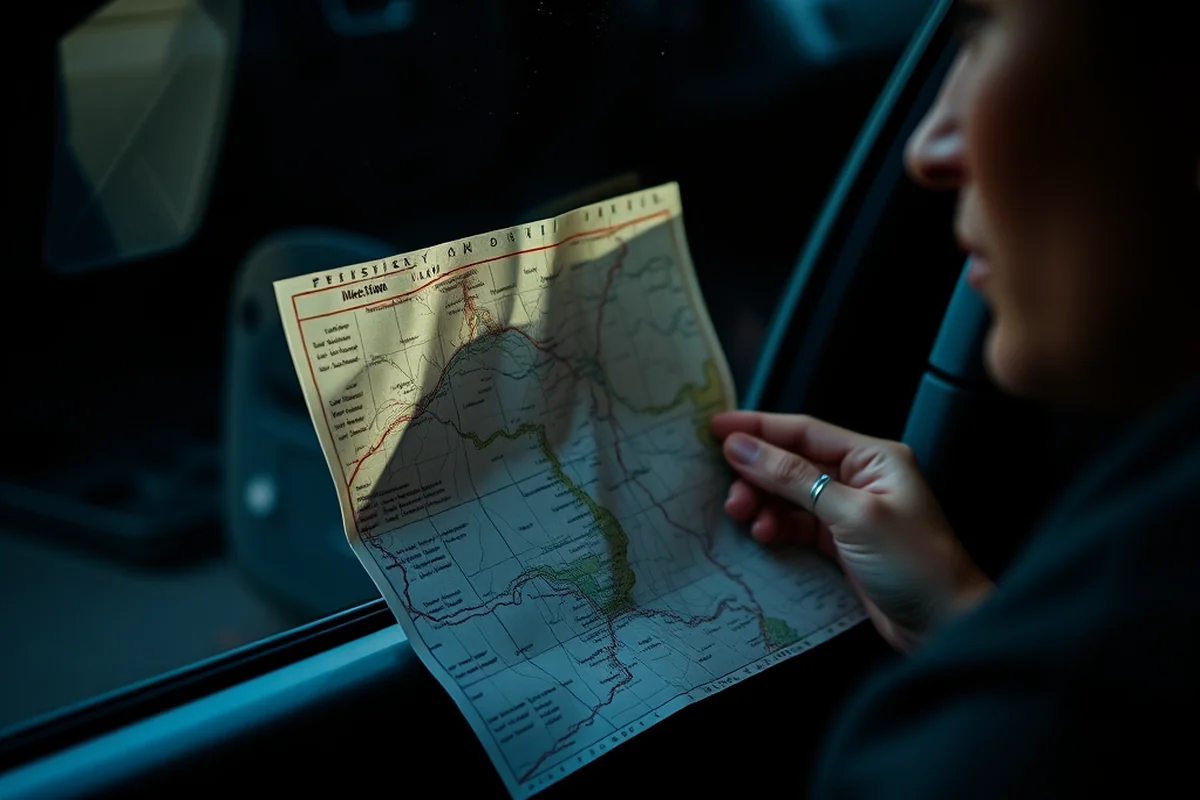
Capernaum is like stepping into a time capsule. The ruins of the ancient synagogue, where Jesus is said to have taught, are still standing, though time has taken its toll. Walking among the stones, I could almost hear the echoes of his voice. The site is surrounded by olive trees and the Sea of Galilee, which adds to the sense of history and peace.
What struck me most was the simplicity of the ruins. There’s no grandeur, no marble or gold—just a humble place that was once the heart of Jesus’ ministry. The local guides here are passionate and knowledgeable, and I found their stories to be as compelling as the ruins themselves.
I recommend visiting Capernaum in the late afternoon, when the sunlight casts long shadows across the ruins. It’s a time when the place feels both sacred and serene.[1]
Capernaum is a place where the past speaks in whispers, and the present listens with reverence.
Related: Bible engagement project
The Dead Sea: A Lesson in Humility
The Dead Sea is not for the faint of heart. I’ve visited it three times, and each time I was amazed by how it defies the laws of physics. The water is so dense that you can float effortlessly on the surface. It’s a surreal experience, and I’ve watched people of all ages—children, the elderly, even marathon runners—relax and feel weightless.
The salt content is so high that it doesn’t just float you—it also strips your skin of its natural oils. After my first time, my skin felt like sandpaper for days. But the healing properties are real. I’ve come back with smoother, tighter skin and even seen improvements in my eczema. It’s a place where the body and the spirit both feel the effects of nature.
I recommend bringing a towel and a change of clothes, as the salt can be harsh on your skin and clothes. I’ve learned the hard way that you’ll need more than just a quick dip to enjoy the Dead Sea.
Bring a waterproof towel and a fresh change of clothes to enjoy the Dead Sea without damaging your skin or clothes.
“I remember standing on the ancient limestone steps of Capernaum, the wind carrying the scent of the Sea of Galilee, feeling like I was walking…”— Cultural Religious Travel editors
Related: The bible project
Nazareth: The Birthplace of Jesus

Nazareth is a small city, but it’s filled with history. The Church of the Annunciation, where the angel is said to have appeared to Mary, is a stunning example of Byzantine architecture. The inside is filled with mosaics that shimmer in the sunlight, and the air is thick with the scent of incense and the prayers of the faithful.
Wandering the narrow streets of Nazareth, I felt a deep connection to the past. There’s a quiet dignity to the place, and the people are welcoming. I had lunch in a local café and was surprised by how much the residents cared about sharing their heritage with visitors.
I found the best way to explore Nazareth was to walk slowly and let the history unfold naturally. The city is small enough that you can cover it in a few hours, but it’s rich enough in stories that you’ll want to stay longer.
Related: Garden of the gods
Mount of Olives: A View of the City and the World
From the summit of the Mount of Olives, you can see the entire city of Jerusalem spread out before you. It’s a breathtaking sight, and I’ve watched the sun rise over the Old City, casting golden light on the domes of the Church of the Holy Sepulchre and the Western Wall. The view is both humbling and awe-inspiring.
The Mount of Olives is also the place where Jesus is said to have wept over the city. I’ve sat here in silence, feeling the weight of his sorrow and the hope of his love. The olive trees here are ancient, some of them over 2,000 years old, and they stand as a testament to the enduring power of faith.
I recommend visiting the Mount of Olives at sunrise or sunset, when the light adds an extra layer of depth to the experience. The atmosphere is different in the morning, when the city is just waking up, and in the evening, when it’s preparing to rest.[2]
Related: How to walk in faith
Bethlehem: The Birthplace of Hope
Walking through the streets of Bethlehem, I felt the weight of history and the hope of the future. The Church of the Nativity, where Jesus is said to have been born, is one of the oldest churches in the world. The stone arches and the quiet reverence of the visitors create a sense of timelessness.
The city is filled with art, from mosaics to murals, that tell the story of Jesus’ birth. I’ve seen children and adults alike kneeling in prayer, and I was moved by the way faith is woven into the fabric of daily life here.
Bethlehem is a city that welcomes visitors with open arms, and I found the local guides to be some of the most passionate and knowledgeable people I’ve ever met.
Bethlehem is not just a birthplace—it’s a symbol of hope that echoes through the ages.
Related: Religious trip called
Jerusalem: The Heart of the Journey
Jerusalem is a city that defies description. It’s ancient and modern, sacred and political, a place where the past and present collide. Walking through the Old City, I was struck by the diversity of its people and the depth of its history. The narrow streets, the towering walls, and the distant view of the Mount of Olives all contribute to a sense of timelessness.
The Western Wall, where Jews come to pray, is a powerful symbol of faith and resilience. The Church of the Holy Sepulchre, where Jesus is said to have been crucified and resurrected, is a place of pilgrimage for Christians from all over the world. I’ve stood in both places, feeling the weight of history in the air.
I recommend visiting Jerusalem with an open heart and mind, as it is a city that will challenge you, inspire you, and change you.
💰 Budget Version
A cost-effective version of the journey with a focus on must-see sites and local experiences.
✈️ Long Weekend Escape
A 3-day condensed version of the journey, ideal for travelers with limited time.
👨👩👧👦 With Kids
A family-friendly itinerary that includes educational and interactive experiences for children.
❄️ Off-Season Travel
Experience the journey during the quieter months, with fewer crowds and lower prices.
✨ Luxury Version
A high-end itinerary with private guides, first-class accommodations, and exclusive access to sites.
| The mistake | Why it happens | The fix |
|---|---|---|
| Assuming all the sites are open every day. | Some sites, especially religious ones, may have limited hours or be closed for special events. | Check the opening hours of each site in advance and plan your itinerary accordingly. |
| Not bringing enough water for the journey. | The climate in some of these regions can be harsh, and dehydration is a real risk. | Bring at least two liters of water per day and stay hydrated throughout the trip. |
| Ignoring the significance of the sites. | Some travelers treat these sites as just another tourist stop, which can diminish the experience. | Approach each site with curiosity and respect, and take time to learn about its history and significance. |
| Not preparing for the physical demands of the journey. | The journey involves a lot of walking, especially on uneven terrain and in the heat. | Train for the trip by walking regularly and conditioning your body in advance. |
The Odyssey Jesus
Common Questions
What is the best time of year to visit the sites on this journey?
How much does a trip like this typically cost?
Are there any age restrictions for visiting the Jordan River or the Dead Sea?
What is the most important thing to bring on this journey?
References
- Christian Allegoresis of the Odyssey? - Academia.edu (academia.edu)
- A Journey through the New Testament - Scholars Crossing (digitalcommons.liberty.edu)
Cite this guide
Cultural Religious Travel (2026). The Odyssey Jesus. https://culturalpilgrim.com/the-odyssey-jesus/
Feel free to cite or share this guide.