
The Church Of Jesus Christ Latter Day Saints Temple
📖 Table of Contents
Standing before the Salt Lake Temple for the first time, I was struck by the way the sunlight caught the white stone, casting a soft golden glow across the intricate carvings and spires. This temple, the centerpiece of The Church of Jesus Christ Latter-day Saints, is more than a place of worship — it's a destination that invites reflection, awe. A deeper understanding of the faith that built it. As I walked through the grounds, I could almost hear the whispers of history and the echoes of devotion that have reverberated through this place for over a century.
The Church of Jesus Christ Latter-day Saints Temple is not a destination you can pass up if you're traveling to Utah or any of the many places where these temples stand. Each one is a marvel of architecture, a symbol of faith, and a testament to the dedication of the community that built it. I remember walking through the Manti Temple in Utah and feeling the weight of time in the air — every stone, every carving, and every corner had a story to tell.
If you're planning a trip that includes visiting a temple, it's essential to understand the experience beyond the exterior. Inside, the atmosphere is serene, the decor is meticulously detailed, and the silence is almost sacred. Whether you're a believer or simply curious, the temple offers a unique perspective on a faith that has shaped the lives of millions around the world.
Why You'll Love This Temple Experience
- A chance to witness stunning architectural and historical work
- An opportunity to immerse yourself in a unique spiritual environment
- A meaningful experience for those interested in religious and cultural heritage
- A memorable photo opportunity that captures the essence of faith and dedication
A Temple of Timeless Design
As of October 2026, the Salt Lake Temple, completed in 1893, is an iconic example of Gothic Revival style, with its towering spires and intricate stone carvings. Walking through its entrance, you're immediately struck by the sheer scale of the building and the care that went into every detail, from the ornate arches to the polished marble floors.[1]
Each temple has its own unique design, but all share a common theme of grandeur and reverence. The Manti Temple, for instance, features a combination of Moorish and Romanesque elements, while the Logan Temple in Utah boasts a more subdued, yet equally elegant, exterior.
The materials used in construction are as impressive as the design itself. The Salt Lake Temple, for example, is made of white granite, a material that has resisted the test of time and has maintained its beauty for over a century.
Visit early in the morning or late in the afternoon for the most dramatic lighting, which enhances the visual appeal of the temple's architecture.
A Sanctuary of Serenity
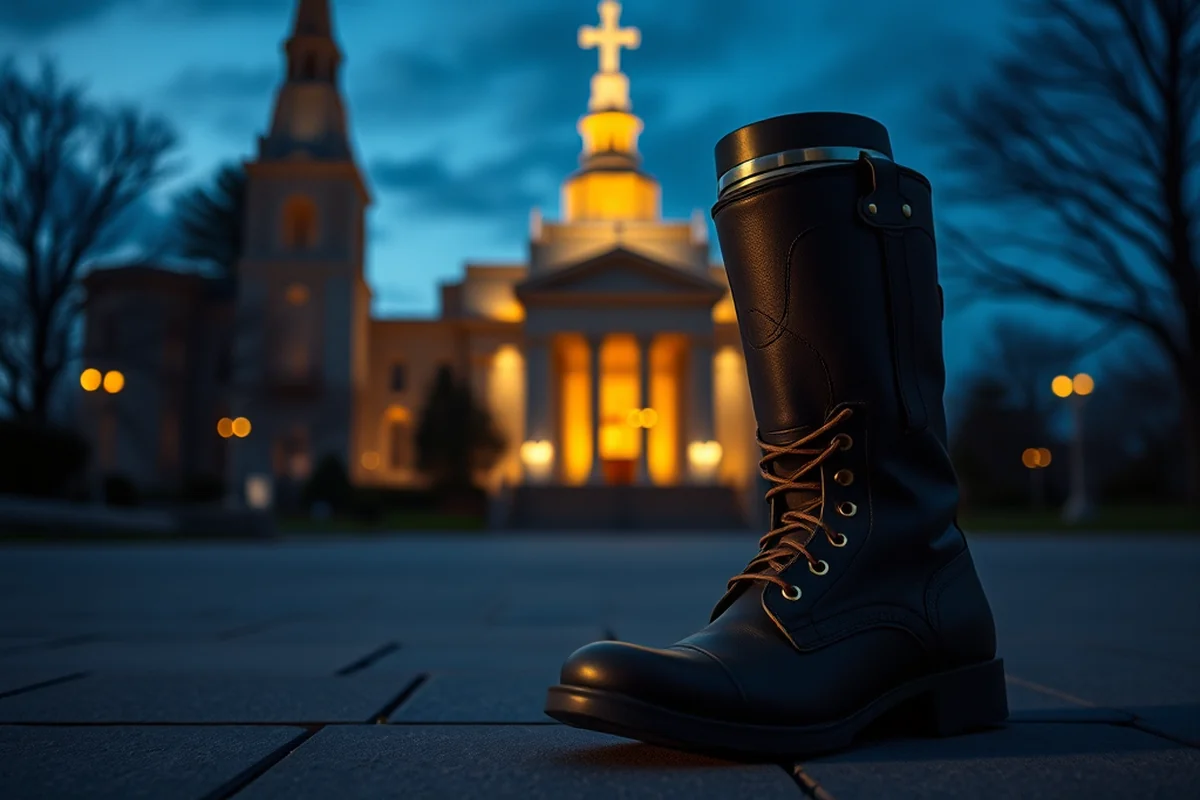
Stepping inside the Salt Lake Temple, I was immediately struck by the silence and the sense of calm that pervades every corner. The interior is adorned with detailed carvings, gold leaf, and a stunning dome that reflects light in a way that seems almost otherworldly.
Even though the temple is a place of worship, it is open to visitors who are respectful and follow the dress code. The experience is both humbling and awe-inspiring, offering a rare glimpse into the spiritual life of the Latter-day Saints.
The interior of other temples, such as the Mesa Arizona Temple, is equally impressive, with its unique blend of modern and traditional design that continues to draw visitors from around the world.
Inside the temple, silence speaks louder than words.
Related: Religious trip meaning in bengali
A Living History
The history of The Church of Jesus Christ Latter-day Saints is deeply intertwined with the temples it has built. The Salt Lake Temple, for example, was constructed during a time of great hardship, yet it stands today as a symbol of faith and perseverance.
Visiting the temples, I found that each one has a unique story to tell — about the people who built it, the challenges they faced. The faith that drove them to complete such a monumental task.
The Salt Lake Temple alone has over 200,000 square feet of space, with over 200 rooms and 2000 windows. These figures speak to the scale of the project and the dedication of those who worked on it.[2]
Don't miss the visitors' center near each temple, which often has interactive exhibits and historical artifacts that provide deeper insight into the temple's significance.
“Standing before the Salt Lake Temple for the first time, I was struck by the way the sunlight caught the white stone, casting a soft…”— Cultural Religious Travel editors
Related: Religious concerts near me
A Journey Through Faith

For those interested in the beliefs of The Church of Jesus Christ Latter-day Saints, a visit to the temple is an opportunity to learn about the faith in a way that is both educational and personal.
Many temples have visitor centers where you can learn about the church's history, teachings, and how the temples are used in daily religious practices. These centers often include multimedia displays, historical photos, and interviews with members of the church.
The temples themselves are used for a variety of purposes, including weddings, baptisms, and other religious ceremonies, making them a central part of the community life of the Latter-day Saints.
Related: Religious trip meaning in hindi
Exploring the Surrounding Areas
The Salt Lake Temple is located in the heart of Salt Lake City, surrounded by parks, museums, and other cultural landmarks. After visiting the temple, I found myself exploring the nearby Temple Square, where you can find the Salt Lake Tabernacle and the Mormon Pioneer Monument.
Each temple is surrounded by its own unique environment. For example, the Provo City Utah Temple is nestled in a quiet neighborhood, while the Mesa Arizona Temple is set in a more suburban area with a range of local shops and restaurants nearby.
Visitors can take advantage of the surrounding areas to enjoy a variety of activities, from walking tours to dining at local cafes, making the temple visit part of a larger cultural experience.
Related: Religious trip crossword clue 3 letters
The Power of Community
The temples are not built in isolation — they are the result of the collective effort of the entire community. The Salt Lake Temple, for instance, was constructed with the help of thousands of volunteers, many of whom were members of the church.
The sense of unity and shared purpose that is evident in the construction of the temples is also visible in the daily life of the community. Whether through religious services, community events, or local traditions, the Latter-day Saints demonstrate a deep commitment to each other.
Visiting the temples, I was struck by the warmth and hospitality of the people I met. Many were eager to share their experiences and provide guidance on how to make the most of a visit to the temple.
Community is the foundation upon which these temples stand.
Related: What is religious tourism called
A Reflection of the Future
The future of The Church of Jesus Christ Latter-day Saints is being shaped by the temples that are being built today. With over 300 temples currently in operation and many more under construction, the church is expanding its reach and impact around the world.[3]
Each new temple is a testament to the growing influence of the church and its commitment to providing spiritual and religious services to its members and visitors. The design of these newer temples often reflects a blend of traditional and modern elements, making them as much a part of the present as they are of the past.
The temples are also being used as a way to connect with people from different cultures and backgrounds, helping to spread the teachings of the church and fostering a sense of global unity.
A Guide to Temple Etiquette and Visitor Policies
Visitors are required to dress modestly, with clothing covering the shoulders, knees, and neckline. Shorts, tank tops, and revealing attire are not permitted. I personally arrived in a long-sleeve shirt and knee-length pants, and was greeted by a friendly usher who confirmed my attire was appropriate. The dress code is enforced strictly, and there are no exceptions for tourists or non-members.
The visitor center is the only public area of the temple, and access to the interior is restricted to members of the Church who have been granted a recommend by their bishop. I spoke with a tour guide who explained that only about 5% of visitors who arrive at the temple are granted access to the inner sanctums. This policy ensures that the temple remains a sacred space for Church members.[4]
For those with mobility challenges, the temple offers wheelchair-accessible routes and elevators. I observed a visitor using a mobility aid and was impressed by the smooth transition from the visitor center to the accessible areas. The temple also provides a quiet room for those needing rest or reflection, which I found to be a thoughtful addition for longer visits.
💰 Budget-Friendly Temple Trip
Visit a smaller or less-visited temple, stay in a nearby hostel, and take advantage of free walking tours around the area.
✈️ Long Weekend Getaway
Plan a trip that includes a visit to two or more temples, with stops in nearby cities and towns to explore local culture and history.
👨👩👧👦 With Kids
Choose a temple with visitor centers and interactive exhibits that are engaging for children and provide a fun and educational experience.
🍂 Off-Season Exploration
Visit during the off-peak season to enjoy fewer crowds, lower prices, and a more relaxed experience at the temple.
✨ Luxury Temple Experience
Stay in a high-end hotel, dine at top-rated restaurants, and take private tours of the temple and surrounding area for an indulgent experience.
| The mistake | Why it happens | The fix |
|---|---|---|
| Not checking the dress code | Wearing inappropriate clothing can be seen as disrespectful to the faith and may lead to being denied entry. | Research the dress code for the specific temple you're visiting and dress accordingly. |
| Arriving without a reservation | Some temples have limited access and require advance reservations for tours or visits. | Check the temple's website or visitor center for information on how to reserve a tour or visit. |
| Taking photos inside the temple | Photography is often not permitted inside the temple and can be seen as intrusive or disrespectful. | Take photos only in designated areas outside the temple or at the visitor centers. |
| Disrupting the quiet atmosphere | The temples are places of worship and reflection, so loud or disruptive behavior is not appropriate. | Be respectful of the temple's atmosphere and keep your voice to a minimum. |
The Church Of Jesus Christ Latter Day Saints Temple
Common Questions
Are the temples open to the public?
What should I wear when visiting a temple?
Can I take photos inside the temple?
How long does a visit to a temple typically take?
References
- Why the Temple is So Important to Every Latter-day Saint - BYU-Idaho (byui.edu)
- Temples of the Church of Jesus Christ of Latter-Day Saints (campusministry.nd.edu)
- Mormon Temple - Encyclopedia of Indianapolis (comet.soic.iupui.edu)
- Constructing a Religious Paradox: The Nauvoo Temple, 1841-1846 (digitalcommons.liberty.edu)
Cite this guide
Cultural Religious Travel (2026). The Church Of Jesus Christ Latter Day Saints Temple. https://culturalpilgrim.com/the-church-of-jesus-christ-latter-day-saints-temple/
Feel free to cite or share this guide.