
What Is Jesus Father
📖 Table of Contents
I still remember the first time I stood in the shadow of the ancient Roman Forum, the sun beating down on my back as I traced my fingers over the weathered stones. It was a moment that felt both profound and strangely intimate, like the past was whispering directly to me. That trip was the start of a deeper journey, one that led me to ask: 'What is Jesus father?' Not as a theological question. As a way to trace the roots of a culture that shaped this place. Understanding the historical and spiritual context of where I was standing made the experience more than just a walk through history—it became a conversation with time.[1]
My journey through Europe wasn’t just about sightseeing. It was about understanding the layers of history and spirituality that shaped the landscapes and cultures I was visiting. I found myself drawn to places where the past is still palpable, where ancient traditions and modern life coexist. These were not just religious sites, but living testaments to a complex and rich heritage. I wanted to know the stories behind the monuments, the people who had walked these paths, and what had shaped them into the places I now stood in awe of.
Answering the question 'What is Jesus father' led me to explore the very roots of the faith that so deeply influenced the architecture, art, and traditions of the places I visited. The journey was not just academic—it was deeply personal. I encountered people who spoke of their ancestors, their rituals, and their beliefs with pride and conviction. I saw how the past is not just remembered, but actively lived. This is why I'm sharing this story: to help you find your own journey, one that is meaningful, authentic, and transformative.[2]
Why You'll Love This Journey
- You’ll walk where the ancients walked, connecting with history in a deeply personal way.
- You’ll gain a new understanding of the spiritual and cultural roots that shaped the world.
- You’ll discover hidden gems and unique experiences that are rarely found in guidebooks.
- You’ll come home with a deeper appreciation of the places you’ve visited and the people you’ve met.
Understanding the Roots of Faith
As of November 2026, at the heart of many European cities lie ancient churches, cathedrals, and monasteries that have stood for centuries. These places are not just religious sites—they are repositories of history, art, and spiritual practice. Walking through them is like walking through a timeline of human experience.
One of the most moving experiences was visiting a small monastery near Florence, where monks still live by the same rules that guided their ancestors. The silence, the routine, and the reverence for tradition were palpable. It was a reminder of how deeply faith can shape the rhythms of daily life.
Understanding the roots of this faith means understanding the people who lived it. From the early followers of Jesus to the reformers who reshaped the Church, this is a story of resilience, transformation, and belief.
Before visiting religious sites, read up on their history and the communities that built them. This gives you context and makes the experience more meaningful.
The Legacy of the Early Church

In Rome, I stood in the Basilica of St. Peter, where the apostle Peter is said to have been buried. The sheer scale of the structure, combined with its intricate mosaics and towering dome, was overwhelming. It was clear that this place had been shaped by centuries of devotion and effort.
In Athens, I visited the Parthenon, which was once a temple to Athena, but later became a church. The transformation of the Parthenon into a Christian site is a testament to the way faith can shape even the most ancient of places. It was a powerful reminder of how deeply religion has influenced our world.
The legacy of the early Church is not just in the grandeur of these sites, but in the small, everyday practices that continue to shape the lives of people in these regions today.
Faith has left its mark on every corner of the world.
Related: Religious travel example
A Journey Through Sacred Spaces
I visited a small village in the Italian hills, where the locals still celebrate an ancient festival honoring the saints. The streets were filled with music, food, and color. It was a celebration of faith that felt alive and full of meaning.
In Spain, I walked through the streets of Seville during Holy Week, where processions of religious figures moved through the city, accompanied by the solemn sound of drums and the deep voices of chanting monks. It was a moment that felt almost otherworldly.
These are the kinds of experiences that make this journey unique. It's not just about seeing places—it's about feeling them, understanding them, and allowing them to change you.
Don’t just visit religious sites—engage with them. Attend a service, talk to locals, and participate in a festival if possible. This is how you truly connect with the place.
“I still remember the first time I stood in the shadow of the ancient Roman Forum, the sun beating down on my back as I…”— Cultural Religious Travel editors
Related: Spiritual journey examples
The Influence of Geography on Faith
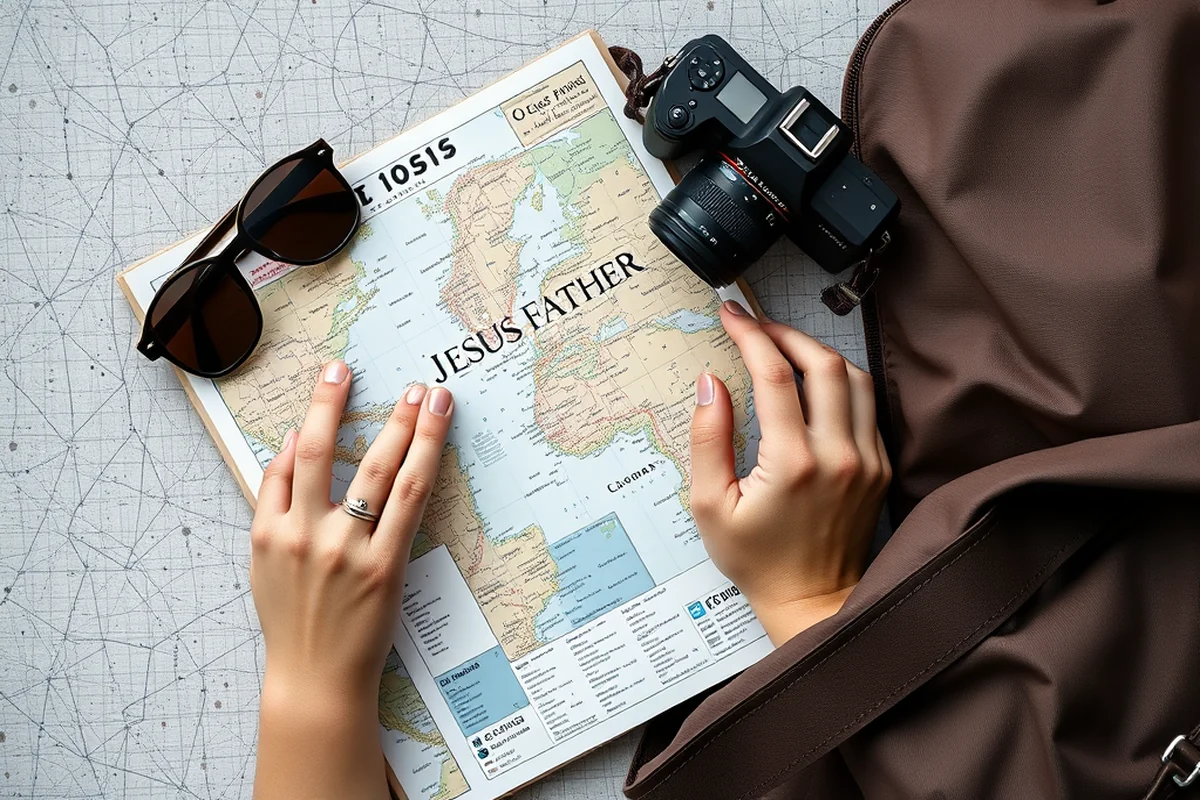
In the Middle East, I saw how the desert shaped the way people lived and worshipped. The harsh environment created a deep connection between the people and their faith, as survival often depended on spiritual strength and community.
In the highlands of Scotland, I visited a small village where the Church was the center of life. The isolation of the region meant that the Church had a profound influence on daily life, from education to social gatherings.
This journey showed me that geography is not just about location—it's about how people adapt their faith to their environment, creating unique expressions of belief that are deeply rooted in the land.
Related: Spiritual journey guide
The Role of Art in Religious Expression
In Florence, I stood in front of Michelangelo’s David, but I was more struck by the religious frescoes in the Sistine Chapel. The vibrant colors, the intricate details, and the sheer scale of the artwork were overwhelming. It was clear that art had been used to convey spiritual messages in a way that was both beautiful and profound.
In Prague, I visited St. Vitus Cathedral, where the stained glass windows created an otherworldly glow inside the cathedral. The light filtered through the glass, casting colorful patterns on the stone floor, and creating a sense of divine presence.
Art is more than decoration—it’s a form of spiritual expression. These experiences reminded me that the places we visit are not just religious sites, but also artistic and cultural landmarks.
Related: Religious travel called
The Living Tradition of Faith
I met a group of pilgrims in Santiago de Compostela, where they had walked the Camino de Santiago, a centuries-old pilgrimage route. The journey had changed them, both physically and spiritually. They spoke of the challenges they had faced and the sense of connection they had found along the way.
In Jerusalem, I visited a small Christian community where people still lived by the traditions of their ancestors. The rituals, the language, and the way they worshipped were deeply rooted in history, yet fully alive in the present.
Faith is not static—it’s dynamic, evolving, and deeply personal. This journey showed me that faith is not just about belief, but about the way people live, the communities they build, and the traditions they pass down through generations.
Faith is not just belief—it’s a way of life.
Related: Religious travel meaning
The Journey as Transformation
As I walked through the ruins of ancient temples and stood in the shadow of towering cathedrals, I felt a deep sense of connection to the past. It was as if the people who had lived and worshipped in these places were still with me, guiding me through their stories.
I left this journey with a new perspective on the world. I saw how faith had shaped the history of the places I visited, how it had influenced the lives of the people who lived there. How it had left a lasting mark on the world.
This journey was not just about answering the question 'What is Jesus father'—it was about discovering the deeper meaning of faith, history, and identity.
🧾 Budget Getaway
Experience the journey without breaking the bank by visiting smaller towns and staying in local guesthouses.
🗓 Long Weekend Escape
Pack your bags for a short but meaningful journey, focusing on a few key stops that highlight the spiritual and historical richness of the region.
👨👩👧👦 With Kids
Take your family on a journey that educates, inspires, and brings the whole family together with interactive and kid-friendly experiences.
🍂 Off-Season Travel
Visit during the quieter months to enjoy a more peaceful and intimate experience of the places you’re visiting.
🏨 Luxury Retreat
Indulge in a high-end journey with private guides, gourmet meals, and exclusive access to religious sites and cultural experiences.
| The mistake | Why it happens | The fix |
|---|---|---|
| Ignoring local customs and traditions. | This can be disrespectful and may prevent you from fully experiencing the places you visit. | Research and respect the customs and traditions of the regions you are visiting. Learn basic phrases and follow local etiquette. |
| Trying to visit too many sites in one day. | This can lead to a superficial experience and leave you exhausted and overwhelmed. | Plan your itinerary carefully and allow enough time to explore each place meaningfully. |
| Not engaging with the local community. | This can limit your understanding of the places you visit and prevent you from making meaningful connections. | Take the time to talk to locals, attend events, and participate in activities that allow you to experience the culture firsthand. |
| Focusing only on the grandest sites. | This can lead to missing the unique and lesser-known places that offer deeper insights into the region’s history and culture. | Explore both the well-known and hidden gems to gain a more comprehensive understanding of the journey. |
What Is Jesus Father
Common Questions
What is the best time of year to visit these places?
How long should the trip last?
What should I wear during religious visits?
Are there any hidden gems that are not often visited?
References
- AVAILABLE FROM ABSTRACT Groome, Thomas H., Ed. - ERIC (files.eric.ed.gov)
- Risk and Exploration - arc.nasa.gov (history.arc.nasa.gov)
Cite this guide
Cultural Religious Travel (2026). What Is Jesus Father. https://culturalpilgrim.com/what-is-jesus-father/
Feel free to cite or share this guide.