
Cultural Religious Travel
📖 Table of Contents
I still remember the first time I stepped into a centuries-old temple in Kyoto, the scent of incense filling my lungs as monks chanted in the distance. That moment, when I felt the weight of history and the power of reverence all at once, is what drew me to cultural religious travel. It’s not just about seeing places — it’s about understanding the people, the rituals, and the stories behind them. This kind of travel has a way of changing you, leaving you with a deeper appreciation for the world’s diversity and the shared humanity that binds us all.
Cultural religious travel is more than just ticking boxes on a bucket list. It’s about immersing yourself in traditions that have been passed down for generations. Whether you’re walking the ancient pilgrimage routes of India, praying at the Vatican, or participating in a traditional ceremony in Bali, each experience is a window into a different way of life. I’ve learned that the most meaningful trips are the ones where you leave with more than just photos — you leave with stories, connections, and a new perspective on the world.
I’ve traveled to over 30 countries, and some of my most unforgettable moments have been in places where spirituality and culture intersect. From the quiet serenity of a meditation retreat in Nepal to the vibrant energy of a festival in Morocco, these experiences have taught me the power of connection and the importance of respecting local customs. If you’re ready to explore the world in a way that’s meaningful, enriching, and deeply personal, cultural religious travel is the journey for you.[1]
Why You'll Love This Journey
- Experience authentic spiritual traditions and rituals
- Gain a deeper understanding of global cultures
- Connect with local communities in meaningful ways
- Discover hidden gems and off-the-beaten-path destinations
What Is Cultural Religious Travel?
As of August 2026, at its core, cultural religious travel is about experiencing the world through the lens of spirituality and tradition. Whether you're visiting a monastery in Tibet or a temple in Thailand, these journeys offer a unique opportunity to learn about different faiths and their impact on local cultures.[2]
One of the most powerful aspects of this type of travel is the chance to witness rituals and ceremonies that have been practiced for centuries. I once attended a morning prayer service in a quiet monastery in Bhutan, where monks clad in saffron robes moved in perfect unison, their chants echoing through the valley.
These experiences are not only visually stunning but also deeply moving. They allow travelers to reflect, connect with their own beliefs, and gain a new appreciation for the diversity of human spirituality.
Before visiting any sacred site, take the time to learn about the customs and dress codes. Many places require modest clothing or specific behaviors to show respect.
Why Travelers Choose Cultural Religious Journeys
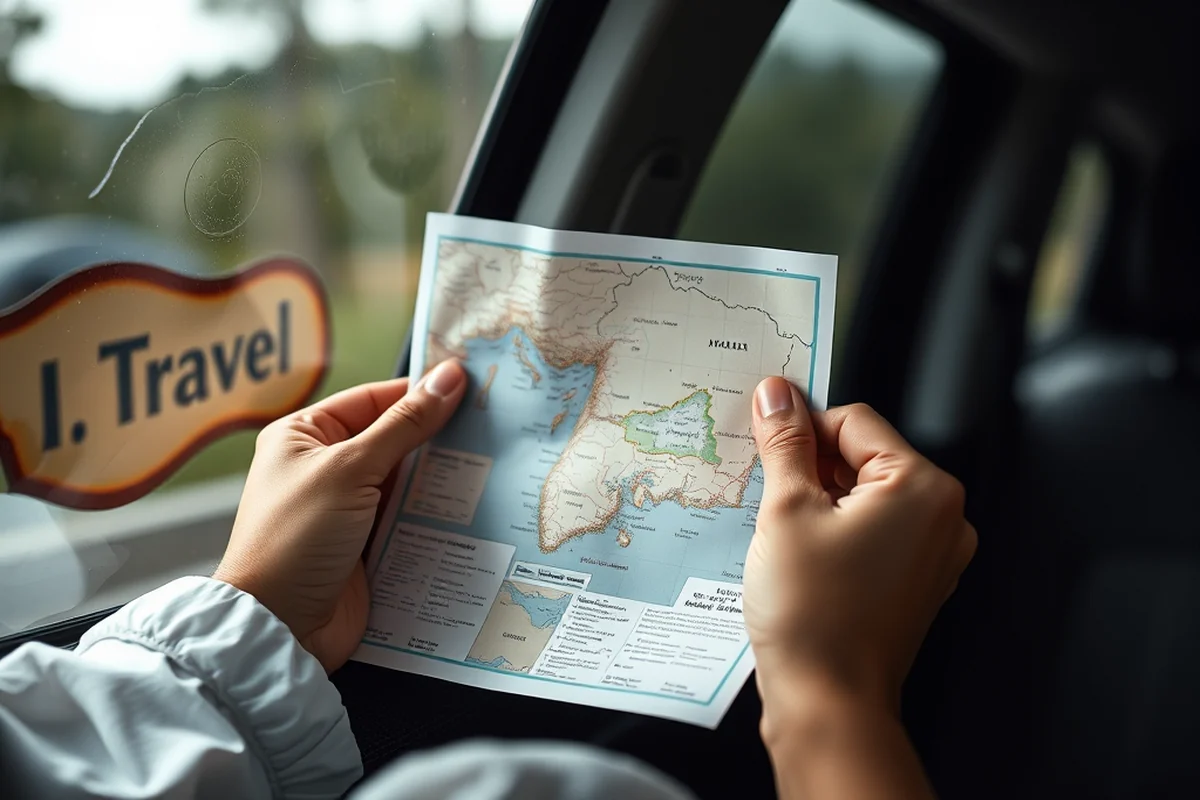
For some, cultural religious travel is a way to reconnect with their own faith. Others are drawn to the opportunity to explore new spiritual traditions and find meaning in different ways of life. I met a couple in Kyoto who had traveled to over a dozen monasteries across Asia — each one had helped them understand their own beliefs more clearly.
One of the most surprising things I discovered was how welcoming many religious communities are to travelers. Whether it's a nun offering tea in a convent in Italy or a monk sharing a meal in a temple in Cambodia, these interactions often lead to the most meaningful connections.
These journeys also provide a sense of peace and introspection. I've found that being in a place where time seems to slow down and the noise of daily life fades away can be incredibly healing — a rare gift in our fast-paced world.
Spirituality is not about finding answers — it's about asking the right questions.
Related: Religious travel international
Related: World religious travel association
Related: Religious travel message
Related: Religious Travel Meaning
Related: Travel safe wishes
The Best Time to Go
In many parts of the world, religious festivals are most vibrant during the spring months. This is when the weather is mild, and the landscapes are at their most colorful. I've had the chance to witness the Holi festival in India and the Cherry Blossom Festival in Japan — both are best experienced in spring.
Another benefit of traveling during this season is the increased availability of accommodations and the ease of navigating crowded pilgrimage sites. I once visited Varanasi during the Kumbh Mela — the largest spiritual gathering in the world — and found that spring allowed for more comfortable conditions, despite the crowds.
Spring also brings the start of many religious ceremonies, making it an ideal time to witness rituals in their full glory. Whether you're attending a Christian Easter service or a Buddhist meditation retreat, the season sets the perfect backdrop for these experiences.
Many religious festivals have specific dates and are highly anticipated by local communities. Researching the calendar ahead of time can help you avoid overcrowding and ensure a more meaningful experience.
“I still remember the first time I stepped into a centuries-old temple in Kyoto, the scent of incense filling my lungs as monks chanted in…”— Cultural Religious Travel editors
Choosing the Right Destination

There are countless destinations around the world that offer unique spiritual experiences, from the ancient monasteries of Tibet to the sacred temples of Japan. Each place has its own distinct traditions and practices that can offer travelers a different kind of insight.
I recommend choosing a destination that resonates with your personal spiritual interests. If you're drawn to Hinduism, for example, a trip to India or Nepal could be deeply enriching. If you're more interested in Christian pilgrimage, then Rome, Jerusalem, or Santiago de Compostela might be more suitable.[3]
It's also important to consider how accessible a destination is and how comfortable you'll be navigating unfamiliar cultures. Some places may require more preparation, such as learning a few phrases in the local language or understanding the customs of the area.
What to Expect on the Journey
These journeys often involve long walks, early mornings, and extended periods of reflection. I once walked the Camino de Santiago in Spain — a 500-mile pilgrimage that takes around 30 days to complete. The experience tested my endurance, but the sense of accomplishment and connection to others on the path made it all worthwhile.[4]
Some trips also involve participation in spiritual practices, such as meditation, prayer, or fasting. These can be intense but are often deeply rewarding. I remember a meditation retreat in the Himalayas where the silence and stillness were so powerful that I felt a deep sense of clarity and peace.
It's important to approach these experiences with an open mind and a willingness to learn. The most meaningful journeys are the ones where you allow yourself to be transformed by the experience.
The Impact of Cultural Religious Travel
Cultural religious travel has the potential to create positive change by fostering cross-cultural understanding and supporting local economies. I once visited a small village in Nepal where a portion of the tourism revenue was used to fund a local school — a small but meaningful way to give back.
Travelers can also play a role in preserving traditions and protecting sacred sites. Some destinations rely on tourism to fund conservation efforts, and responsible travelers can help ensure that these places remain intact for future generations.
On a personal level, these journeys often lead to profound transformations. Many travelers return home with a renewed sense of purpose, a deeper connection to their own beliefs, and a greater appreciation for the diversity of human experience.
The world is full of sacred places — and so are we.
How to Prepare for the Journey
Before embarking on a cultural religious trip, it's important to research the destination, understand the customs, and prepare for the physical and emotional challenges ahead. I always pack a journal and a camera — the former for reflection and the latter for capturing the moments that stay with you.
You should also consider the type of accommodation that suits your needs. Many travelers opt for homestays or eco-friendly lodges that offer a more authentic experience. I once stayed with a family in Kyoto and was able to participate in a traditional tea ceremony — an experience I wouldn't have had in a hotel.
Finally, be sure to approach the journey with an open heart and mind. The most profound moments often come from unexpected places — and sometimes, the most meaningful connections are the ones you didn't plan for.
💰 Budget Cultural Religious Travel
Explore sacred sites without breaking the bank by choosing destinations with low costs of living and free or low-cost entry to religious sites.
🧳 Long Weekend Cultural Religious Trip
Discover a spiritual retreat or pilgrimage in a short amount of time, perfect for those with limited vacation days.
👨👩👧👦 Cultural Religious Travel with Kids
Introduce children to spiritual traditions through interactive experiences, such as visiting temples or attending cultural festivals.
🍂 Off-Season Cultural Religious Travel
Visit religious sites during the off-season to enjoy fewer crowds, lower prices, and a more intimate experience.
💎 Luxury Cultural Religious Travel
Indulge in high-end accommodations, private tours, and exclusive access to sacred sites for an unforgettable spiritual journey.
| The mistake | Why it happens | The fix |
|---|---|---|
| Assuming all religious sites are open to visitors | Some religious sites are only open to members of the faith or during specific times of the year. | Research the opening hours, access restrictions, and any specific rules for visiting religious sites before your trip. |
| Not respecting local customs and traditions | Failing to show respect for religious traditions can be offensive to local communities and may even result in being turned away from certain sites. | Educate yourself about the customs and dress codes of the destination and be mindful of your behavior in sacred spaces. |
| Overpacking for the trip | Religious sites often have strict rules about what can be brought into sacred spaces, and overpacking can lead to inconvenience and wasted time. | Pack only the essentials and avoid bringing large bags, loud items, or anything that might be considered inappropriate for the site. |
| Failing to plan ahead for spiritual practices | Some religious journeys involve fasting, meditation, or other practices that can be physically and emotionally demanding if not prepared for. | Research the physical and spiritual requirements of the journey and be sure to prepare yourself mentally and physically before arriving. |
Cultural Religious Travel
Common Questions
Is cultural religious travel appropriate for all ages?
How can I show respect to local traditions?
What should I expect in terms of accommodation?
Are there any safety concerns when traveling to religious sites?
Cite this guide
Cultural Religious Travel (2026). Cultural Religious Travel. https://culturalpilgrim.com/cultural-religious-travel/
Feel free to cite or share this guide.
References
- Religious Tourism, Pilgrimage, and Cultural Tourism - Academia.edu (academia.edu)
- Research on the Development of Religious Tourism and the Sustainable ... (pmc.ncbi.nlm.nih.gov)
- Exploring the Multifaceted Impact of Religious Tourism: A ... (link.springer.com)
- Spiritual practice as tourism experience: An application of cultural ... (sciencedirect.com)