
Crucifixion Of Jesus
📖 Table of Contents
- The Via Dolorosa: A Path of Devotion
- The Church of the Holy Sepulchre: A Sacred Heart
- The Garden Tomb: A Controversial Alternative
- The Stations of the Cross: A Spiritual Journey
- The Role of Pilgrimage in the Journey
- The Cultural Impact of the Crucifixion
- The Spiritual and Emotional Weight of the Journey
- Make It Your Way
- Frequently Asked Questions
The first time I stood in front of the site of the crucifixion of Jesus, I felt an overwhelming silence — not the kind that comes from being alone. From being in the presence of something ancient, something that shaped the world as we know it. I was in Jerusalem, walking the Via Dolorosa, the path Jesus took on his way to the crucifixion. Each step felt like a whisper of history, each turn of the corner a moment of reflection. The crucifixion of Jesus is not just a religious event; it's a journey through time, a pilgrimage that draws millions each year.[3]
As I walked, I noticed the way the sun filtered through the narrow streets, casting long shadows over the cobblestones. The air was thick with the scent of olive trees and the distant sounds of prayer echoing from nearby synagogues. I had read about the crucifixion of Jesus in books and studied the stories in museums, but standing in the actual places where the events took place was something else entirely. It was a moment that fused history, faith, and the tangible with the spiritual.[4]
For travelers who are drawn to places of deep historical and religious significance, the crucifixion of Jesus is a pilgrimage that offers more than just a glimpse into the past. It’s a journey that demands respect, reflection, and a willingness to engage with the layers of meaning woven into each stone, each monument, and each prayer. Whether you're a believer, a history enthusiast, or someone simply curious about the world’s most profound stories, this journey is one that leaves an indelible mark on the soul.[5]
Why You'll Love This Journey
- Experience one of the most significant spiritual and historical sites in the world.
- Walk the same path that Jesus took, gaining a deeper understanding of his sacrifice.
- Connect with centuries of faith, art, and devotion in one of the oldest continuously inhabited cities on earth.
- Immerse yourself in a cultural and religious landscape that is as rich as it is profound.
The Via Dolorosa: A Path of Devotion
As of October 2026, the Via Dolorosa, or the 'Way of Suffering,' is a 600-meter path that winds through the Old City of Jerusalem, tracing the final hours of Jesus’s life. Each of the 14 stations represents a moment in his journey, from his condemnation to his burial. Pilgrims and tourists alike walk this route, often pausing at each station to pray, reflect, or light a candle. I found that the best time to walk the Via Dolorosa was early in the morning, when the air was cool and the streets were quiet.[1]
At each station, you'll find a small chapel or monument. Some of these, like the one at the site of the 'Ecce Homo' (Behold the Man), are marked with a simple plaque, while others, such as the Church of the Holy Sepulchre, are grand and awe-inspiring. The station where Jesus fell for the first time is a small area of the street, marked by a simple stone. Standing there, I felt a sense of awe and humility, as if time had stood still.
I recommend walking the Via Dolorosa slowly, allowing yourself to absorb the history and the emotions that accompany each step. If you're a pilgrim, you may choose to carry a cross or a small icon, a practice that adds to the spiritual weight of the journey. For others, simply walking in silence is enough to make the experience meaningful.[2]
Arrive before 9 AM for the quietest and most reflective time to walk the path. Avoid the crowds and heat of midday.
Part of our Religious holidays guide.
The Church of the Holy Sepulchre: A Sacred Heart

The Church of the Holy Sepulchre is a UNESCO World Heritage Site and one of the most important pilgrimage sites in the world. Built in the 4th century by Emperor Constantine, it encloses the site where Jesus was crucified, buried, and resurrected. The interior is a mix of Byzantine, Crusader, and Ottoman architecture, with each denomination claiming parts of the church as sacred. I entered through the Greek Orthodox entrance and was immediately struck by the sheer scale of the space.
Inside, the church is dimly lit, with oil lamps flickering from the hands of pilgrims. The stone of Golgotha, where the crucifixion of Jesus is believed to have taken place, is marked by a small slab of rock. Surrounding it are numerous chapels, each dedicated to a different saint or event. The most sacred part of the church is the Edicule, the tomb of Jesus. To reach it, pilgrims must navigate through narrow corridors and crowded spaces, but the reward is a moment of profound connection.
I was told that the church is best visited on a weekday, when the crowds are smaller and the atmosphere is more reverent. The experience of standing before the Edicule, feeling the weight of history, is something that remains with you long after the journey has ended.
In the heart of the Church of the Holy Sepulchre, time stands still.
Related: Cultural vs religious
The Garden Tomb: A Controversial Alternative
While the Church of the Holy Sepulchre is the most widely accepted site, the Garden Tomb offers a quieter and more contemplative alternative. Located just outside the Old City walls, the Garden Tomb was discovered in the 19th century and is believed by some to be the actual location of the crucifixion and resurrection. The site is surrounded by a beautiful garden, and the tomb itself is a natural rock formation that has been shaped into a simple sepulchre.
I visited the Garden Tomb on a Sunday morning and found it to be a peaceful and reflective place, far removed from the crowds and the intensity of the Church of the Holy Sepulchre. The garden was in full bloom, and the air was filled with the scent of jasmine and citrus. The tomb is marked by a simple stone, and the surrounding area is quiet and serene. I sat for a while, simply watching the light change as the sun rose over the garden.
The Garden Tomb is a great option for travelers who want a more personal and intimate experience. It’s also more affordable and accessible, with no restrictions on clothing or behavior, making it a popular choice among both Christians and non-Christians alike.
This site is less crowded than the Church of the Holy Sepulchre and offers a more peaceful atmosphere for reflection.
“The first time I stood in front of the site of the crucifixion of Jesus, I felt an overwhelming silence — not the kind that…”— Cultural Religious Travel editors
Related: Cultural and religious issues
The Stations of the Cross: A Spiritual Journey
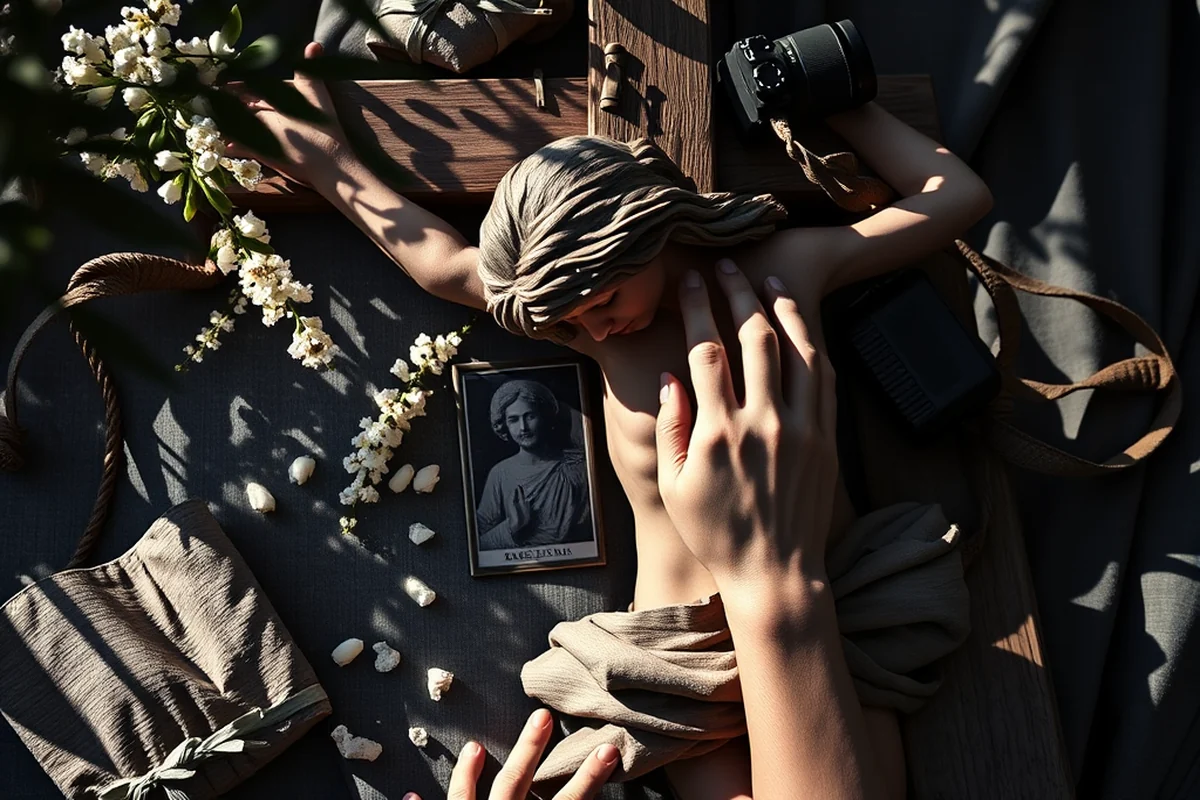
The Stations of the Cross are not just religious artifacts; they are a visual narrative of the crucifixion of Jesus, designed to guide pilgrims through the emotional and spiritual journey of his suffering. These stations are often found in churches, monasteries, and along the Via Dolorosa. Each one tells a part of the story, from the condemnation of Jesus to his ascension.
In the Church of the Holy Sepulchre, the Stations of the Cross are carved into the walls and marked by small chapels. Pilgrims walk from station to station, pausing to pray or reflect. Some stations are marked with simple carvings, while others are more elaborate, featuring statues or frescoes. I found that walking the Stations of the Cross in the early morning, when the church is quiet, is a deeply moving experience.
The Stations of the Cross are also found in other parts of the world, from Rome to Jerusalem. For those who cannot make the pilgrimage to Jerusalem, visiting a local church or monastery that features these stations is a powerful way to engage with the story of the crucifixion of Jesus.
Related: Cultural and religious harmony
The Role of Pilgrimage in the Journey
For many travelers, visiting the sites of the crucifixion of Jesus is not just a historical or religious activity — it is a pilgrimage. Pilgrimage is a journey undertaken with the purpose of seeking spiritual growth, forgiveness, or a deeper connection with the divine. I spoke with several pilgrims during my visit to Jerusalem, and each had their own reasons for making the journey. Some came to pray, others to reflect, and a few to seek personal transformation.
The journey is not easy. It requires physical stamina, mental focus, and a willingness to engage with the emotional weight of the experience. Many pilgrims walk the Via Dolorosa on their knees, a practice that is both physically demanding and spiritually significant. Others carry a cross or an icon, a symbol of their devotion and commitment to the journey.
The act of pilgrimage is also a form of self-discovery. As I walked the Via Dolorosa, I found myself thinking about my own life, my own struggles, and the ways in which I had sought forgiveness or meaning. The journey was not only about remembering the crucifixion of Jesus — it was also about remembering myself and the spiritual path that I was on.
Related: Cultural religious barriers
The Cultural Impact of the Crucifixion
The crucifixion of Jesus has been a central theme in Christian art for centuries, inspiring countless paintings, sculptures, and religious icons. From the Renaissance masterpieces of Michelangelo to the modern depictions in museums around the world, the crucifixion has been portrayed in a variety of ways. In Jerusalem, you can see the influence of this event in everything from religious murals to intricate mosaics.
Beyond the visual arts, the crucifixion has also shaped literature, music, and film. From medieval hymns to contemporary films, the story of the crucifixion continues to be told and reinterpreted. I visited a small museum in Jerusalem that displayed various depictions of the crucifixion, from ancient carvings to modern photographs. Each piece told a different story, reflecting the diverse interpretations of this event.
The cultural impact of the crucifixion is also seen in the architecture of religious sites, the rituals of pilgrimage, and the way that people engage with the story of Jesus. Whether through art, music, or prayer, the crucifixion of Jesus remains a powerful and enduring symbol of sacrifice, faith, and redemption.
Art, literature, and music have all been shaped by the crucifixion of Jesus.
Related: Counter cultural christianity examples
The Spiritual and Emotional Weight of the Journey
Standing at the site of the crucifixion of Jesus is an experience that can be overwhelming. The weight of history, the presence of faith, and the sheer emotional intensity of the journey can leave a lasting impression. I found that the journey was not only about the places visited, but about the inner reflections and realizations that came with each step.
For some travelers, the journey is a way to seek forgiveness, to find peace, or to reconnect with a sense of purpose. Others may feel a sense of guilt or confusion, or perhaps a deep sense of gratitude for the sacrifices made. The emotional impact of the journey can be profound, and it is important to approach it with an open heart and mind.
I spoke with a pilgrim who had traveled from India to make the journey. For her, it was a deeply spiritual experience, one that brought her closer to God and helped her find a new sense of clarity. Others, like a young man from Germany, had come to confront their own doubts and fears. The journey, in all its forms, has the power to change lives.
💰 Budget Pilgrimage
A low-cost, self-guided journey focusing on the Via Dolorosa, Church of the Holy Sepulchre, and the Garden Tomb.
🗓 Long Weekend Pilgrimage
A three-day pilgrimage covering the major sites in Jerusalem, with time for reflection and exploration.
👨👩👧👦 Family-Friendly Pilgrimage
A pilgrimage tailored for families, including educational stops and accommodations suitable for children.
💎 Luxury Pilgrimage
An all-inclusive, high-end pilgrimage with private guides, accommodations, and exclusive access to major sites.
⛄ Off-Season Pilgrimage
A pilgrimage during the quieter months, offering a more intimate and reflective experience.
| The mistake | Why it happens | The fix |
|---|---|---|
| Not respecting the religious significance of the sites. | The sites are places of deep spiritual importance, and failing to show respect can be offensive to pilgrims and local communities. | Dress modestly, avoid loud behavior, and take time to reflect and pray at the sites. |
| Trying to visit the sites during peak hours. | The sites, especially the Church of the Holy Sepulchre, can be overcrowded, making it difficult to fully experience the atmosphere and meaning of the journey. | Visit early in the morning or on weekdays for a more peaceful and reflective experience. |
| Ignoring the historical and spiritual context of the journey. | Understanding the historical and spiritual background of the sites is essential to fully appreciate the journey and its significance. | Research the history of the crucifixion of Jesus and the sites in advance, and consider joining a guided tour or reading a book on the subject. |
| Not preparing physically for the journey. | Walking the Via Dolorosa and visiting multiple sites in a short period can be physically demanding, especially in the heat of the day. | Wear comfortable shoes, stay hydrated, and take breaks when needed. Consider visiting during cooler hours. |
Crucifixion Of Jesus
Common Questions
What is the best time of year to visit the sites related to the crucifixion of Jesus?
Are there any religious restrictions on clothing or behavior at the sites?
How long should I plan to spend in Jerusalem to fully experience the crucifixion sites?
Is it possible to visit the sites of the crucifixion without being religious?
References
- (PDF) On the Physical Death of Jesus Christ - Academia.edu (academia.edu)
- The Science of the Crucifixion - Azusa Pacific University (apu.edu)
- The Mystery of the Last Supper: Reconstructing the Final Days of ... (bibleinterp.arizona.edu)
- The Qur'an and the Crucifixion of Jesus - Biola University (biola.edu)
- April 3, AD 33: Why We Believe We Can Know the Exact Date Jesus ... (cbs.mbts.edu)
Cite this guide
Cultural Religious Travel (2026). Crucifixion Of Jesus. https://culturalpilgrim.com/crucifixion-of-jesus/
Feel free to cite or share this guide.